Is the Berlin Story Bunker worth the 18 euro ticket?
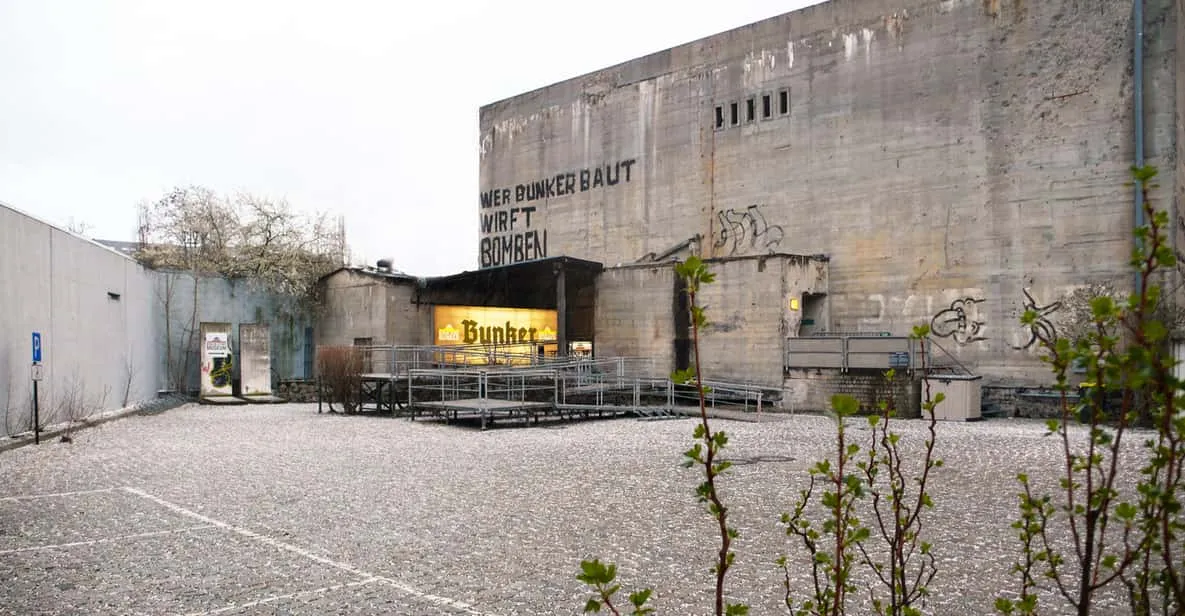
The Berlin Story Bunker sits at Schöneberger Straße 23A in Kreuzberg, a windowless concrete air-raid shelter built in 1942 beside Anhalter Bahnhof and turned into a private exhibition space in 2014. Its main documentation, Hitler: How Could It Happen?, works through the Weimar Republic, the seizure of power, the terror apparatus, the war and the Holocaust. It is a privately run documentation exhibition rather than a state memorial, and it is not the Führerbunker. This guide covers what the ticket buys, how long it takes and who it does not suit.
About This Experience
Schöneberger Straße 23A, Kreuzberg, 10963 Berlin, beside the ruins of Anhalter Bahnhof. The Topography of Terror and the Gropius Bau are both within ten minutes on foot.
S1, S2, S25 or S26 to Anhalter Bahnhof, about four minutes on foot, or U1 and U3 to Möckernbrücke. Yorckstraße and Gleisdreieck are also walkable. Fare zone A, so a Berlin AB ticket covers it.
Daily 10:00 to 19:00, advertised as open 365 days a year with no weekly closing day. Last entry is 17:30, but the operator advises arriving by 16:00 at the latest if you want to work through the Hitler documentation in full.
18 euros standard adult at the door, 12 euros reduced for pupils and students. Card payment only, no cash. There is no free-entry day: Berlin's Museumssonntag scheme ended with its final edition on 1 December 2024.
A concrete shelter built in 1942 for around 3,500 civilians, holding an estimated 10,000 or more in the last days of April 1945. Roughly 6,500 square metres over three floors, with original blast doors and stairwells.
The bunker fabric itself, the chronological Hitler documentation, a reconstruction of Hitler's bunker room presented as documentation of the last days, and a second exhibition on German history from 1945 to the present.
Check Live Availability & Prices
The site opens daily and slots are released for each day, but afternoons fill first and a late arrival cuts the visit short. Live dates and prices are below.
Which Berlin Story Bunker Ticket to Pick
There is one product: entry to the bunker and its exhibitions, listed at $21 and rated 4.6 from 7,159 travelers. The door price is 18 euros for adults and 12 euros reduced for pupils and students, so the online booking costs a little more than walking up and paying at the desk. What it gains you is a confirmed slot and no dependence on the card-only till.
The ticket covers all three floors: the Hitler documentation, the German history exhibition from 1945 onward, and the bunker structure itself.
It suits readers. The exhibition is built almost entirely from wall panels of photographs, newspapers, propaganda material and documents, with very few objects, and the chronology is long. Three hours is the floor and visitors regularly report that three hours got them only part of the way through.
If you want a scholarly account of the perpetrator apparatus, the Topography of Terror is ten minutes away and free. If you want to understand how an ordinary republic was dismantled, this exhibition sets that out at length and in order.
What it is not: a state memorial, and not the Führerbunker, which stood under the Reich Chancellery gardens a couple of kilometres north and lies under a car park with a single information board. This is a privately operated documentation exhibition inside a genuine wartime shelter. It is also not accessible, not suitable for young children, and cold enough year round to want a layer.
If you are building a Berlin week around the twentieth century, the broader guide to Berlin museums shows which sites sit close enough to combine in a day.
Booking Your Entry
One ticket covers the bunker and both permanent exhibitions. Times are released daily, and an early slot matters more here than at most sites.
from $21 Berlin Story Bunker Entry Ticket
A surviving wartime air-raid bunker near Anhalter Bahnhof, now holding the long documentation exhibition Hitler, how could it happen. The concrete itself is the exhibit people remember.
- Original air-raid bunker
- Documentation on Hitler's rise
- Audio guide included
What You'll See
The building comes first. Roughly 6,500 square metres of raw concrete over three floors, with original blast doors and stairwells, built in 1942 for about 3,500 people and packed with an estimated 10,000 or more as the fighting reached Berlin in April 1945. Corridors are narrow, ceilings are low and the light is artificial throughout.
Inside it runs Hitler: How Could It Happen?, which starts in the aftermath of the First World War and the Weimar Republic and moves through the seizure of power, the terror apparatus, the war and the Holocaust, to the fall of the city. A reconstruction of Hitler's bunker room is included, presented as documentation of the last days rather than as a set piece.
A second exhibition, Deutschland 1945 bis heute, carries German history on from occupation and division through reunification to the present. A Ukraine display was added after 2022, with Russian military equipment and material on the war. Throughout, the medium is dense wall panels of contemporary photographs, newspapers, posters and documents rather than large objects, and some of the photographs of atrocities are graphic.
Free lockers stand at the entrance, since bags cannot be carried through the exhibition.
How a Visit Flows
-
10:00
Ticket desk and lockers
Card payment only at the desk, so bring a card. Bags go into the free lockers at the entrance; the corridors are too narrow to carry one through.
-
10:15
Into the bunker
The first thing you register is the fabric of the place: blast doors, original stairwells, low ceilings, no daylight and a temperature that does not follow the season outside.
-
10:30
Weimar and the seizure of power
The documentation opens after the First World War and works forward in order. This early stretch is the part most visitors say they read most carefully, before fatigue sets in.
-
12:00
Terror, war and the Holocaust
The central and heaviest section, and where the photographs are hardest. Take the pace slowly and accept that you will not read every panel.
-
13:15
1945 to the present
The second exhibition picks up at occupation and division and runs through reunification to the present day.
-
14:00
Out and onward
The Topography of Terror is ten minutes on foot and free, and covers the perpetrator apparatus in more depth if you still have the appetite.
Know Before You Go
Not suitable for
- Wheelchair users and anyone who cannot manage stairs; the stairwells between the three floors are original bunker construction
- Young children, given graphic photographs of atrocities throughout the documentation
- Anyone uneasy in enclosed, windowless spaces, since the whole visit is underground concrete
What to bring
- A payment card, because the ticket desk takes no cash
- An extra layer, since the bunker holds its cold even in August
- Reading glasses if you use them; the exhibition is overwhelmingly text and photographs
- Time, with three hours as a minimum and four to five more realistic
Not allowed
- Photography inside the exhibition
- Bags carried through the bunker; they go in the free lockers at the entrance
- Entry after 17:30, when the last admission closes
Insider Tips
Six things that change how the visit goes.
- Arrive by 16:00 at the latest, even though the door stays open until 17:30, or you will be walked out partway through
- There is an audio guide in 11 languages if you would rather listen than read three hours of wall text; ask at the desk about it when you buy your ticket
- Use the free lockers at the entrance instead of carrying a bag through the narrow corridors
- Pace yourself and accept you will not read everything; the exhibition keeps going well past the point most people expect the exit
- Wear one layer more than the weather outside suggests, because the concrete stays cold year round
- Pair it with the Topography of Terror ten minutes away, which is free and treats the perpetrator apparatus in more scholarly depth
Where You're Headed
Berlin Story Bunker FAQ
How much does the Berlin Story Bunker cost?
18 euros for a standard adult ticket at the door and 12 euros reduced for pupils and students. The pre-booked entry ticket is listed at $21. The desk takes cards only, no cash, and there is no free-entry day: Berlin's Museumssonntag scheme ended with its final edition on 1 December 2024.
How long do you need at the Berlin Story Bunker?
Three hours is the minimum, and many visitors find three hours gets them only part of the way through. Four to five hours covers the whole thing. Since last entry is 17:30 and the operator advises arriving by 16:00, a morning or early afternoon slot is the sensible choice.
Is the Berlin Story Bunker a real WWII bunker?
Yes. It was built in 1942 as a civilian air-raid shelter beside Anhalter Bahnhof, designed for around 3,500 people and holding an estimated 10,000 or more in the last days of April 1945. The exhibition was installed in 2014; the blast doors, stairwells and concrete are original.
Is the Berlin Story Bunker the Führerbunker?
No. The Führerbunker lay under the Reich Chancellery gardens a couple of kilometres north and no longer exists as a visitable site; a car park with an information board stands over it. The Berlin Story Bunker is a separate wartime shelter in Kreuzberg, privately run as a documentation exhibition rather than as a state memorial.
Is the Berlin Story Bunker wheelchair accessible?
No. The site is not wheelchair accessible and the stairwells connecting the three floors are original bunker construction, which is steep and narrow.
Is the Berlin Story Bunker suitable for children?
Not for young children. The documentation includes graphic photographs of atrocities, and the exhibition is long, text-heavy and set in an enclosed windowless space. Older teenagers with an interest in the period manage it.
What is inside the Hitler: How Could It Happen exhibition?
A chronological account built from photographs, newspapers, propaganda material and documents on wall panels, starting after the First World War and the Weimar Republic and running through the seizure of power, the terror apparatus, the war and the Holocaust to the fall of Berlin. A reconstruction of Hitler's bunker room is presented as documentation of the last days. There are few objects.
Which station is closest to the Berlin Story Bunker?
Anhalter Bahnhof on the S1, S2, S25 and S26, about four minutes on foot. Möckernbrücke on the U1 and U3 also works, and Yorckstraße and Gleisdreieck are walkable. The site is in fare zone A, so a Berlin AB ticket covers the trip.
What Visitors Say
We gave it three hours and were nowhere near the end. The early Weimar sections I read closely; by the war years I was skimming, which says more about the volume of text than the quality of it.
The building does a lot of the work. Standing in a shelter that held ten thousand people in April 1945 while reading how the country got there is a different thing from reading it at home.
Bring a jumper and a card, and do not take children. Some of the photographs are very hard. My father, who uses a stick, could not manage the stairs between floors.