What is the DDR Museum in Berlin like, and when should you go to avoid the crush?
The DDR Museum sits on the Spree promenade at Karl-Liebknecht-Strasse 1, below street level and directly across the water from the Berliner Dom. It holds more than 360,000 everyday objects from East Germany, and unlike most collections in the city it wants you to open the drawers, sit in the Trabi and walk through the flat. This guide covers what a ticket costs, what the museum does well and badly, and the hours that decide whether your visit is enjoyable or a shuffle through other people's elbows.
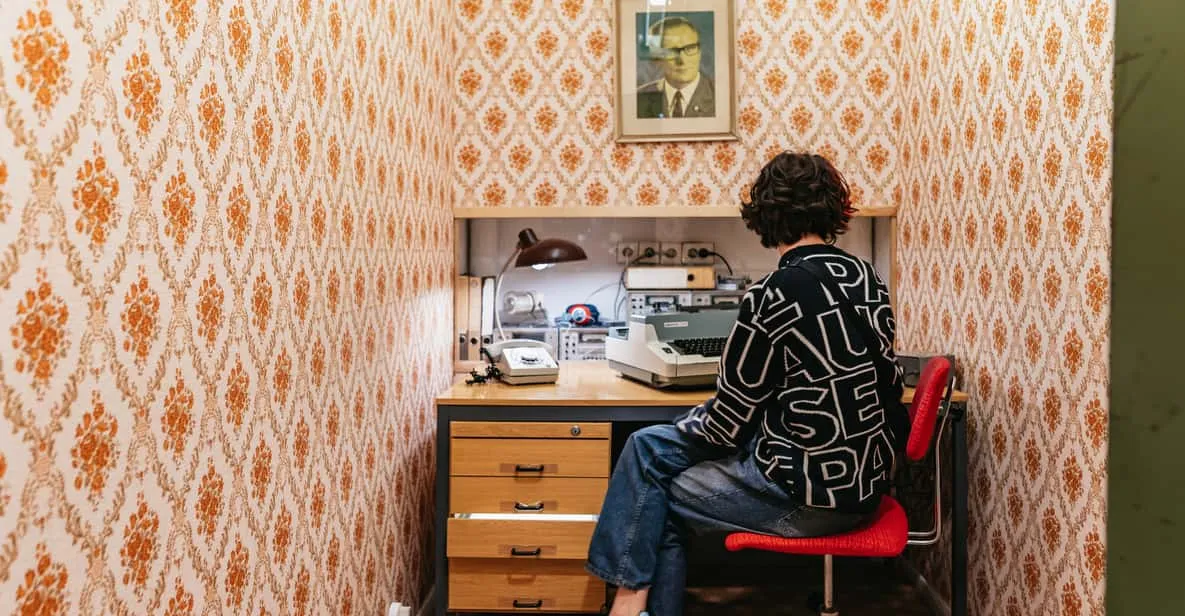
About This Experience
DDR Museum, Karl-Liebknecht-Strasse 1, Mitte, 10178 Berlin, on the Spree promenade opposite the cathedral. The Trabi Museum is elsewhere, at Zimmerstrasse 14-15 in Kreuzberg, 10969 Berlin.
Alexanderplatz on the S-Bahn and U-Bahn (S3, S5, S7, S9, U2, U5, U8) is about eight minutes on foot. U5 Museumsinsel and the M1, M4, M5 and M6 trams at Spandauer Strasse or Am Kupfergraben are closer. The entrance is down on the river promenade below street level, by stairs or a steep ramp. For the Trabi Museum, U6 Kochstrasse at Checkpoint Charlie is about 200 metres away.
DDR Museum daily 09:00 to 21:00, 365 days a year, closing early at 16:00 on 24 and 31 December. There is no weekly closing day and it opens on public holidays. The Trabi Museum opens daily from 10:00.
At the DDR Museum door, adults pay 13.90 euros and concessions 8.50 euros, with children under 6 free; groups of ten or more pay 9.00 euros a head and school groups 5.50 euros. Cash and all major cards are accepted. The Trabi Museum charges 9.00 euros, free for children under 12.
A low riverside space on the Spree promenade across the water from the cathedral, in what was the ceremonial heart of East Berlin, holding a collection of more than 360,000 everyday GDR objects.
The walk-in Plattenbau apartment, the Trabant simulator, the reconstructed interrogation room and Stasi section, the border and Wall displays seen from the eastern side, and the consumer and holiday material from Intershop goods to the Baltic nudist beaches.
Check Live Availability & Prices
The interior is small and the queue on the promenade builds through the middle of the day, so a timed ticket buys you a fixed entry and a shorter wait. Check which slots are still open before you commit to a date.
Which DDR Museum Ticket to Pick
For almost everyone the answer is the DDR Museum Skip-the-Line Ticket at $16, rated 4.3 from 3,684 travelers. That is a large enough sample to trust, and it matches what the museum is: a busy, hands-on social history collection where the value of a timed ticket is not the exhibition, it is not standing on the promenade waiting to get down the stairs. Note the door price for comparison, 13.90 euros for an adult and 8.50 euros concession, which is what you pay if you walk up and take your chances on the queue.
The DDR Museum & Berlin's Old Town Private Tour costs $220 and shows 5 stars from 2 reviews. Read the number properly: that is a private guide's rate for a whole party, not a per-head museum ticket, and two reviews tell you nothing about quality either way. It buys you skip-the-line entry plus a private walk through the Nikolaiviertel and Alexanderplatz with one guide to yourselves.
If you are a family or a small group who want the eight centuries outside the museum explained by a person, the maths can work. If you are two people who mainly want to see the flat and the Trabi, it does not.
The Trabi Museum Day Ticket at $10 is a different building and a much smaller proposition: a single-subject collection on Zimmerstrasse in Kreuzberg, about 200 metres from Checkpoint Charlie, holding the wood-bodied Trabant P70, a racing Trabi and a camping Trabi with a roof tent. Half an hour and you have seen it. Treat it as an add-on for people who care about the cars and happen to be at Checkpoint Charlie, not as an alternative to the DDR Museum.
If you want the wider picture of East Berlin and the city's other collections, the rest of the best museums in Berlin are covered here.
DDR Museum and Trabi Museum Tickets
Two museums, three ways in. The first is the standard visit; the second is a private guide; the third is a short stop across town.
from $16 DDR Museum Skip-the-Line Ticket
Everything here is meant to be opened, sat in or driven, from the Trabi simulator to the fitted kitchen of a Plattenbau flat. It faces the cathedral across…
- Hands-on East German life
- Trabi driving simulator
- Skips the queue on the Spree
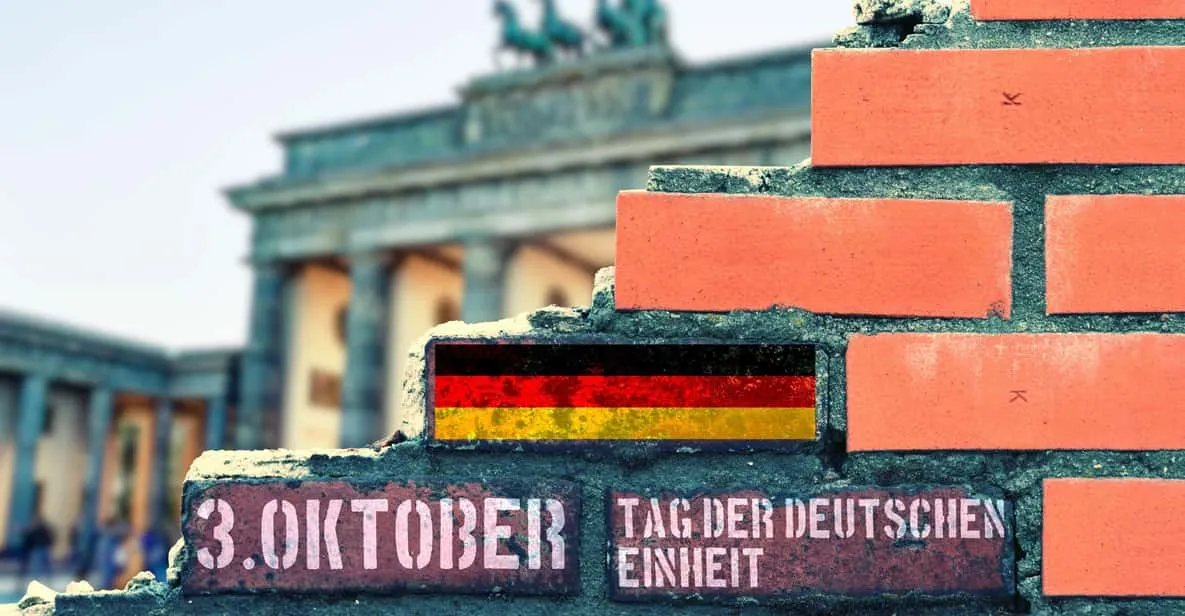 from $220
 DDR Museum & Berlin's Old Town Private Tour
Skip-the-line entry to the DDR Museum plus a private walk through the medieval quarter and Alexanderplatz around it. A single guide covers eight centuries and forty years of…
- Private guide
- Museum plus Nikolaiviertel
- Skip-the-line entry
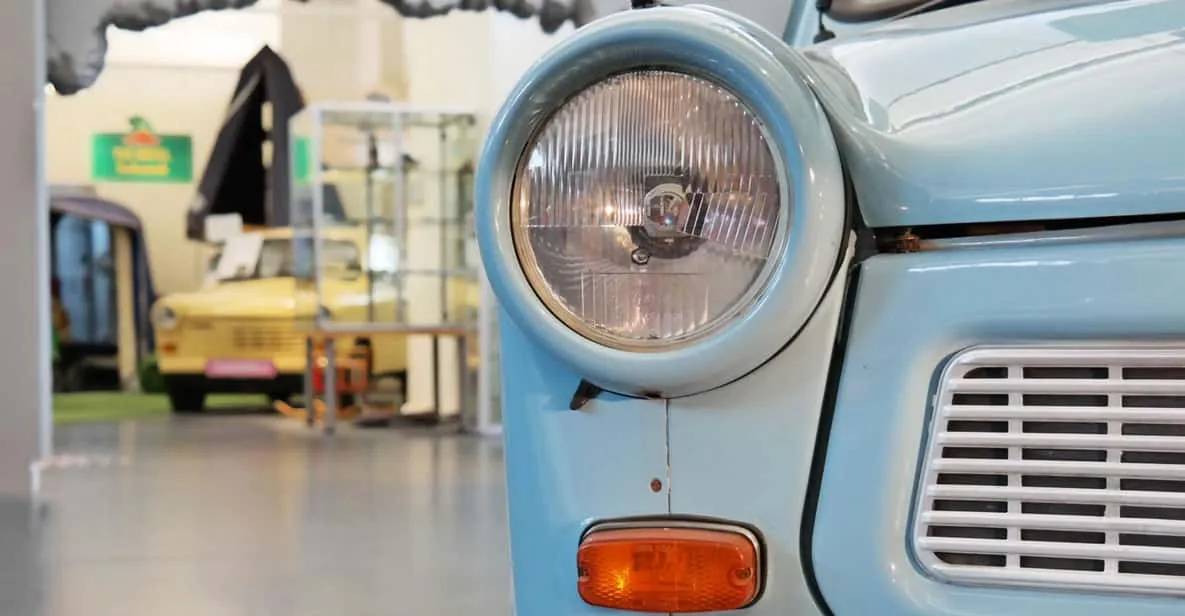 from $10
 Trabi Museum Day Ticket
A small museum near Checkpoint Charlie devoted to the car that defined the East, with the cardboard-bodied models lined up and the stories of the waiting lists that…
- Near Checkpoint Charlie
- The Trabant in full
- Under 30 minutes
Side by Side
| Ticket | Duration | Price | Book | Rating | Best for |
|---|---|---|---|---|---|
| DDR Museum skip-the-line | 1.5 to 2 hours | $16 | Check | 4.3 from 3,684 reviews | The default visit for almost everyone |
| DDR Museum and old town private tour | Half a day | $220 | Check | 5 from 2 reviews | Groups wanting a private guide for the quarter outside |
| Trabi Museum day ticket | 30 to 45 minutes | $10 | Check | 4.1 from 65 reviews | Car people already at Checkpoint Charlie |
What You'll See
The centrepiece is a walk-in replica Plattenbau apartment, furnished room by room, where the cupboards and drawers open and the television works. Around it are the Trabant driving simulator, a real Trabi shell with an East Berlin street projected onto the windscreen, a reconstructed interrogation room with a section on the Stasi and the surveillance of ordinary life, and the border displays that explain how the division worked from the eastern side. Then comes the everyday material: FDJ uniforms, Sandmaennchen, tinned goods, Intershop products, the waiting lists people joined to buy a car, a reconstructed GDR classroom, and the nudist beach and Baltic camping displays that surprise most first-time visitors.
Be clear about what this is. The hands-on approach is the selling point and also the cost: it is loud, it is full of school groups and families at peak times, and historians tend to find the treatment light. It is social history and everyday texture rather than a serious political account, and visitors who want the harder version usually go to the Stasi Museum instead.
It works best with children, and it works badly if you want quiet. At the Trabi Museum across town, the pull is the cars themselves: the wood-bodied P70, a racing Trabi and a camping Trabi with a roof tent.
How a Visit Flows
-
09:00
Arrive at opening
The first hour is the calmest of the day. The entrance is down on the river promenade, reached by stairs or a steep ramp from Karl-Liebknecht-Strasse, so allow a couple of minutes to find it.
-
First 10 minutes
Go straight to the Trabi
The driving simulator is the one thing with a queue and it only gets worse through the day. Do it before you look at anything else.
-
Next 30 minutes
The Plattenbau flat
Open the drawers, sit down, put the television on. This is where the collection earns its reputation and where you learn most about how people actually lived.
-
Following 30 minutes
Stasi, border and classroom
The interrogation room, the surveillance material and the Wall section seen from the East, then the schooling and youth organisation displays.
-
Last 20 minutes
Consumer life and holidays
Intershop goods, the car waiting lists, FDJ uniforms and the Baltic camping and nudist beach displays. Total time inside is 1.5 to 2 hours.
-
Afterwards
Or come back at 18:00
If your day is busy, the 21:00 closing makes this one of the few museums in the city you can do properly after dinner, and the evening is nearly as quiet as the opening hour.
Know Before You Go
Not suitable for
- Anyone who wants a quiet museum; the interior is compact, low-ceilinged and genuinely cramped between 10:00 and 17:00
- Visitors after a rigorous political history of the GDR, who are better served by the Stasi Museum
- Travellers who cannot manage stairs or a steep ramp without help, since the promenade entrance sits below street level
What to bring
- Your timed ticket on the phone
- About two hours for the DDR Museum, plus 30 to 45 minutes if you add the Trabi Museum
- A card or cash, both are accepted at the DDR Museum door
- Patience, or a 09:00 slot, if you are visiting with small children
Not allowed
- Large bags and bulky luggage in the exhibition rooms
- Food and drink among the displays
- Blocking the Trabi simulator; it is one seat and there is usually a line behind you
Insider Tips
Timing is the whole game at this museum, more than at any other collection in Mitte.
- Use the 09:00 to 10:00 hour or come after about 18:00. Between 10:00 and 17:00 visitors describe it as claustrophobic, and that includes 11:00 on a Sunday
- Go on a sunny day. The place empties when the weather is good and fills the moment it rains
- Head for the Trabant simulator first; it is the only real bottleneck and the queue grows all day
- The 21:00 closing is the tip most visitors miss, and it makes this a workable after-dinner museum
- Treat it as social history and everyday texture. Critics call it a tourist trap, and if you want political substance the Stasi Museum is the better use of an afternoon
- Slot the Trabi Museum around a Checkpoint Charlie walk rather than making a special trip across town for it
Where You're Headed
DDR Museum Berlin FAQ
How much is a ticket for the DDR Museum in Berlin?
At the door, adults pay 13.90 euros and concessions 8.50 euros, with children under 6 free, groups of ten or more at 9.00 euros a head and school groups at 5.50 euros. The skip-the-line ticket through this site is $16. Berlin's Museumssonntag free-entry scheme ended in December 2024, so there is no free Sunday any more.
What time is the DDR Museum least busy?
The 09:00 to 10:00 hour and the evening after about 18:00. The crush runs from roughly 10:00 to 17:00, and visitors describe the interior as claustrophobic even at 11:00 on a Sunday. Good weather also thins the crowd, since the museum fills when it rains.
How long do you need at the DDR Museum?
One and a half to two hours covers it comfortably. The Trabi Museum in Kreuzberg takes another 30 to 45 minutes, and the two sit about 20 minutes apart by U-Bahn.
Is the DDR Museum good for children?
Yes, it is one of the best museums in Berlin for children, because nearly everything is meant to be opened, pulled out or sat in. That same design is why it is loud and crowded in the middle of the day, so bring children early or late.
Can you drive the Trabi simulator at the DDR Museum?
You sit in a real Trabant shell with an East Berlin street projected onto the windscreen and drive it. It is included in the ticket, it is the one exhibit with a reliable queue, and it is worth going to first.
Is the DDR Museum in English?
Yes. Labels and panels are in German and English throughout.
Where is the DDR Museum entrance on the Spree promenade?
At Karl-Liebknecht-Strasse 1, directly across the river from the Berliner Dom. The entrance is below street level on the river promenade, reached by stairs or a steep ramp. The main entrance itself is barrier-free once you are down there.
What is the difference between the DDR Museum and the Trabi Museum?
The DDR Museum on the Spree covers everyday life across the whole GDR, from the flat and the classroom to the Stasi and the border, and takes about two hours. The Trabi Museum on Zimmerstrasse near Checkpoint Charlie is a small single-subject collection about the car itself, including the wood-bodied P70, a racing Trabi and a camping Trabi. It costs $10 and takes well under an hour.
What Visitors Say
We went at 09:00 on a Thursday and had the Plattenbau flat almost to ourselves. By the time we left at 11:00 you could barely get past the kitchen.
Our two kids opened every drawer in the place and queued twice for the Trabi. It is not a deep history lesson, but it held them for two hours, which nothing else in Berlin managed.
Excellent on daily life, thin on politics. I went to the Stasi Museum the next day for the other half of the story and would tell anyone to do both.