Which photography museum in Berlin should you visit, Fotografiska or the Helmut Newton Foundation?
Berlin's two big photography houses sit at opposite ends of the S-Bahn and work in opposite ways. Fotografiska Berlin occupies the redeveloped Tacheles building on Oranienburger Strasse in Mitte, has no permanent collection at all, and stays open until 23:00 with a restaurant and a rooftop attached. The Museum für Fotografie stands behind Zoo station in Charlottenburg, a state museum built around Helmut Newton's bequest in a former Prussian officers' casino. This guide sets out what each one costs, when each is open, and which of them matches what you actually want from an afternoon or an evening.
About This Experience
Fotografiska Berlin: Oranienburger Strasse 54, Mitte, 10117 Berlin. Museum für Fotografie and the Helmut Newton Foundation: Jebensstrasse 2, Charlottenburg, 10623 Berlin, directly behind Zoo station.
For Fotografiska, take S1, S2, S25 or S26 to Oranienburger Strasse and walk about 2 minutes, or U6 to Oranienburger Tor for roughly 5 minutes, or trams M1 and M5 along the street itself. For the Museum für Fotografie, take S3, S5, S7 or S9, or U2 or U9, to Zoologischer Garten and walk about 2 minutes around the back of the station; U1 to Kurfürstendamm is about 8 minutes. The two museums are 20 to 25 minutes apart by S-Bahn.
Fotografiska opens daily from 10:00 to 23:00, including most public holidays, with last museum entry at 22:00. The Museum für Fotografie opens Tuesday, Wednesday, Friday, Saturday and Sunday from 11:00 to 19:00, Thursday until 20:00, and closes every Monday.
At the Fotografiska door, adults pay 15.00 euros and visitors aged 25 and under pay 10.00 euros, with children under 12 free alongside an adult and guided tours 4.00 euros extra. The Museum für Fotografie charges 12.00 euros, 6.00 euros concession, and under 18s go free. Booked online, the Fotografiska ticket is $17 and the Museum of Photography ticket is $14.
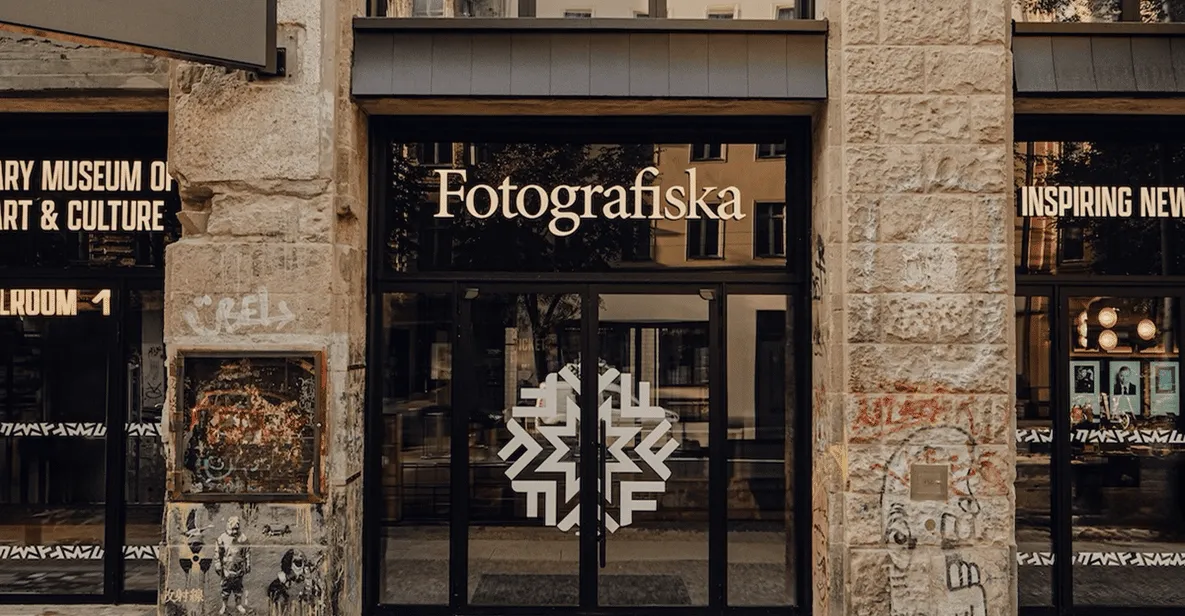
Fotografiska sits in the building that opened in 1909 as the Friedrichstrassenpassage arcade, was used by the Nazi Labour Front, then ran after reunification as the Kunsthaus Tacheles art squat until the eviction in 2012. Restoration began in 2019 and Fotografiska moved in during September 2023, keeping the 1990s graffiti walls inside. The Museum für Fotografie occupies a Prussian officers' casino of 1908 to 1909, converted for photography and opened in 2004, the year Newton died.
At Fotografiska, contemporary shows across every floor plus the raw Tacheles stairwells. At the Museum für Fotografie, Newton's Big Nudes in the foyer, the permanent Intermezzo. Revisiting Helmut Newton display covering Helmut and June Newton that opened in April 2026, and the 650 square metre Kaisersaal ballroom upstairs.
Check Live Availability & Prices
Fotografiska sells timed entry and the slots move quickly on weekend afternoons and early evenings. Live prices and open dates for both museums are below.
Which Photography Museum Ticket to Pick
The Fotografiska Berlin Photography Exhibition Ticket runs $17 and rates 4.7 from 196 reviews. It buys entry to whatever is hanging that month, which is the whole proposition: there is no permanent collection, every floor is temporary, and the programme turns over roughly monthly towards contemporary and pop-adjacent work. Come back in eight weeks and you are effectively in a different museum.
The 15.00 euro walk-up price is close enough to the online one that you are paying for a guaranteed slot rather than a discount, and if you are 25 or under the door rate drops to 10.00 euros, which undercuts the booked ticket outright.
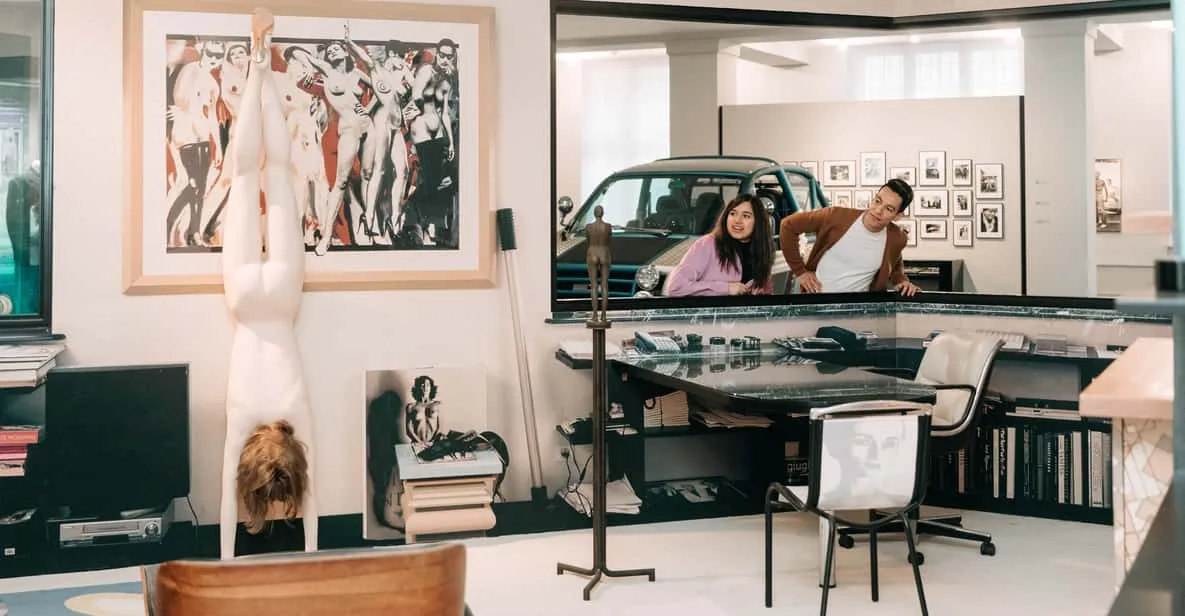
The Museum of Photography Entry Ticket is $14 and rates 4.5 from 101 reviews. This is the state museum, and it behaves like one: a fixed Newton core that stays put, long exhibition blocks rather than a rolling programme, and the Kunstbibliothek's photography collection sharing the building above the Foundation. Newton's own archive is the draw, and his Berlin apartment has been reassembled inside.
At 12.00 euros at the counter it is the cheaper of the two either way, and it is included in the 3-day Museum Pass Berlin at 32.00 euros, which Fotografiska is not, because Fotografiska is privately run.
So the choice is not about quality, it is about what you want. If you want an evening, a bar and something you have not seen before, Fotografiska is the only serious late option in the city. If you want photographic history, one photographer's estate and a quiet weekday morning, go to Charlottenburg.
Doing both in a day works well: Mitte in the morning, the S-Bahn west after lunch, dinner back on Oranienburger Strasse. For how these two fit around the Kulturforum, Museum Island and the rest, see the full Berlin museum guide.
Both Photography Museum Tickets
Two very different museums, both bookable in advance with a fixed entry slot.
from $17 Fotografiska Berlin Photography Exhibition Ticket
Photography shows spread over the floors of the old Kunsthaus Tacheles on Oranienburger Straße, a building with as much history as anything hanging in it. Exhibitions rotate several…
- In the old Tacheles building
- Rotating photography shows
- Open late most evenings
 from $14
 Museum of Photography Entry Ticket
Home of the Helmut Newton Foundation, a minute from Zoo station, showing Newton's own archive alongside the state photography collection upstairs. His Berlin apartment has been reassembled inside.
- Helmut Newton Foundation
- His apartment reassembled
- Beside Zoo station
What You'll See
Fotografiska has no permanent collection, so what you see depends entirely on the month you turn up. Shows rotate roughly monthly across the floors and lean contemporary. The building carries as much weight as the pictures: the restoration deliberately kept the Tacheles graffiti and raw fabric, so the stairwells and corners still read as squat rather than white cube.
Downstairs there is a cafe, a bakery and a shop; Restaurant Veronika and Bar Clara open at 18:00 and run into the night, and there is a rooftop terrace. Treat it as a venue that happens to contain a museum, and the 23:00 close makes sense.
The Museum für Fotografie is two institutions stacked in one building. The Helmut Newton Foundation holds the lower floors, with the Big Nudes in the foyer and, since April 2026, a rebuilt permanent display called Intermezzo. Revisiting Helmut Newton covering both Helmut and June Newton.
Foundation shows run in long blocks rather than continuously; Rooms / Stages and Helmut Newton's One-off Album were announced for 5 June to 15 November 2026. Above sits the Kunstbibliothek's photography collection and the Kaisersaal, a 650 square metre former ballroom and one of the largest exhibition halls in Berlin, used for photo-history themes and contemporary photographers. Newton was born in Berlin in 1920 and left in 1938, which is why the estate came back here, and the museum stands a short walk from where he grew up.
How a Visit Flows
-
Before you go
Check what is actually hanging
Fotografiska changes its whole programme every few weeks, so look at the current shows before you commit. If you already hold a 3-day Museum Pass Berlin, put the Museum für Fotografie inside the pass window and pay for Fotografiska on a day outside it.
-
Morning
Start in Mitte
Fotografiska opens at 10:00 and weekday mornings are the calmest hours of its day. The S-Bahn drops you two minutes from the door at Oranienburger Strasse.
-
First hour
Work up through the floors
Budget one to two hours, not a half day. It is not a big museum and the time depends almost entirely on how much wall text you read. Look at the fabric of the building as you climb; the leftover graffiti is part of the visit.
-
Afternoon
Ride west to Zoo station
Twenty to twenty five minutes on the S-Bahn puts you at Zoologischer Garten, with the Museum für Fotografie two minutes behind the station. Weekday afternoons here stay quiet.
-
Inside the Newton building
Foundation first, Kaisersaal after
Do the Newton floors while you are fresh, then go up to the Kaisersaal, which can be substantial enough to add a full hour on its own. Assume photography restrictions on the Newton material and read the signs.
-
Evening
Back east for dinner
The Museum für Fotografie shuts at 19:00, or 20:00 on Thursdays. Fotografiska is still open, so a late second look plus dinner at Veronika and a drink on the roof is a workable end to the day.
Know Before You Go
Not suitable for
- Anyone expecting a permanent collection at Fotografiska; there is none, and the floors change monthly
- Visitors who want both museums on a Monday, when the Museum für Fotografie is closed
- Groups hoping to fill a whole day in one building, since each takes one to two hours
What to bring
- A Museum Pass Berlin if you already have one, which covers the Museum für Fotografie but not Fotografiska
- Photo ID if you are 25 or under and want the 10.00 euro Fotografiska rate
- A same-day C/O Berlin ticket, which takes 2.00 euros off the full Museum für Fotografie price
- Comfortable shoes, because Fotografiska is walked floor by floor with stairs between
Not allowed
- Photographing the Newton material without checking the signage first, as restrictions apply
- Arriving at Fotografiska after 22:00 and expecting to get into the galleries, since that is last entry
- Turning up at Jebensstrasse on a Monday, the museum's weekly closing day
Insider Tips
Six things worth knowing before you pick a day and a museum.
- Treat Fotografiska as an evening rather than an afternoon: arrive late, walk the floors, eat at Veronika and finish on the rooftop, which only works because it runs to 23:00
- Plan one to two hours there, not longer. Regulars are clear that the building is small and the time comes down to how much you read
- Study the walls themselves. The restoration left Tacheles graffiti and fittings in place, so the Wende years are still legible in the fabric
- If you are 25 or under, the Fotografiska door price falls to 10.00 euros, which closes most of the gap with the state museums
- Buy a C/O Berlin ticket on the same day as the Museum für Fotografie and you save 2.00 euros; C/O is also by Zoo station, in the Amerika Haus
- A 3-day Museum Pass Berlin covers the Museum für Fotografie and not Fotografiska, so schedule the paid Fotografiska visit outside the pass window
Where You're Headed
Photography Museums in Berlin FAQ
Which is the best photography museum in Berlin?
It depends on what you want. Fotografiska Berlin is contemporary, entirely temporary and open until 23:00, which makes it the better evening and the better repeat visit. The Museum für Fotografie is the state museum built around Helmut Newton's estate, with a permanent core and long exhibition blocks, and it is the better choice if you came for photographic history. Booked online, Fotografiska is $17 and the Museum of Photography is $14.
How much are Fotografiska Berlin tickets?
At the door, adults pay 15.00 euros and visitors aged 25 and under pay 10.00 euros. Children under 12 enter free with an adult, and a guided tour adds 4.00 euros. Booked in advance online the ticket is $17, which buys a timed slot rather than a saving. Membership starts at 59.00 euros.
What time does Fotografiska Berlin close?
The museum is open daily from 10:00 to 23:00, including most public holidays, with last entry at 22:00. That late close is unusual for a Berlin museum and makes it the one reliable evening option in the city. Restaurant Veronika and Bar Clara open from 18:00 and run on into the night.
Is Fotografiska Berlin in the old Tacheles building?
Yes, in the building at Oranienburger Strasse 54 that housed the Kunsthaus Tacheles art squat. The squat itself ended with the eviction in 2012 and the building was restored from 2019; Fotografiska has occupied it since September 2023. The 1990s graffiti walls were deliberately kept inside, so the stairwells still look like the squat did.
Where is the Helmut Newton museum in Berlin?
The Helmut Newton Foundation sits inside the Museum für Fotografie at Jebensstrasse 2 in Charlottenburg, directly behind Zoo station. Take S3, S5, S7 or S9, or U2 or U9, to Zoologischer Garten and walk about two minutes around the back, or U1 to Kurfürstendamm and allow eight.
How much does the Museum für Fotografie cost?
Entry is 12.00 euros, or 6.00 euros concession, and under 18s go free. The online entry ticket is $14. A same-day C/O Berlin ticket takes 2.00 euros off the full price or 1.00 euro off the concession, and the 3-day Museum Pass Berlin at 32.00 euros includes the museum.
Is Fotografiska included in the Museum Pass Berlin?
No. Fotografiska is privately run and sits outside the pass, while the Museum für Fotografie is a state museum and is covered. If you hold a 3-day pass, use it in Charlottenburg and pay separately for Fotografiska, ideally on a day outside the pass window. Berlin's free-first-Sunday scheme no longer exists; it was last held on 1 December 2024.
Can you take photos inside Fotografiska Berlin?
Photography for personal use is normally fine at Fotografiska and is rather the point of the place. At the Museum für Fotografie you should assume restrictions on the Newton material and check the signage in each room before you lift a camera.
What Visitors Say
We went to Fotografiska at half past eight in the evening after a long day of walking, which no other museum in Berlin would have allowed. Three floors, then dinner in the building. The old graffiti in the stairwells got as much attention from us as the exhibition did.
The Newton building is quiet on a Tuesday morning and that suits the work. The Kaisersaal upstairs surprised me; I had come for the Foundation floors and ended up spending longer above them. Two hours in total and 12 euros at the counter.
Fotografiska is smaller than the ticket price suggests and we were done in seventy minutes. Worth it for what was hanging that month, but do not plan a whole afternoon around it. My daughter is 24 and paid ten euros at the door, which was less than my online ticket cost.